







Search Results for: Preparation Tutorial
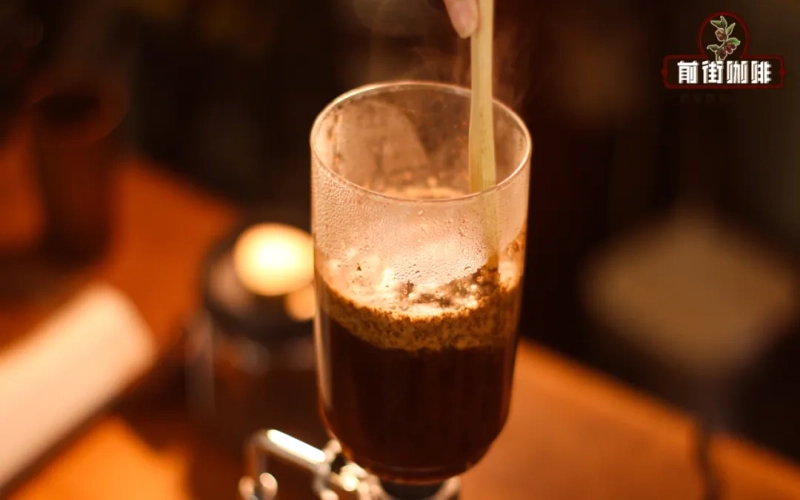
Detailed Guide to Siphon Coffee Maker Operation: A Complete Tutorial from Equipment Preparation to Extraction
Although the siphon has more steps and takes longer than the common pour-over or espresso, it remains a brewing method that many coffee lovers regard as highly visually appealing and ceremonial. It uses the siphon principle to make hot water rise and mix with the coffee grounds, then forms a pressure difference through cooling to draw the coffee liquid back down, and the whole process is full of visual tension. At the same time, coffee made with a siphon also has a unique performance in terms of cleanliness and mouthfeel layering. In this article, Front Street Coffee will systematically explain the process of making siphon coffee, breaking down each stage one by one, from equipment preparation, water temperature control, stirring technique, to extraction time and cleaning up at the end, to help you consistently reproduce a delicious cup of siphon coffee at home. [more…]

Step-by-step illustrated tutorial: detailed preparation steps and recipe ratios for iced Spanish latte
The Spanish Latte is a popular drink in the coffee world that combines condensed milk with coffee. The sweet, smooth condensed milk meets rich espresso, creating a layered and complex taste experience. Today, Front Street Coffee will guide you step by step through making an iced version of the Spanish Latte. The whole process is not complicated—you just need to prepare a 300ml cup, condensed milk, milk, ice cubes, and a shot of espresso. From layering condensed milk at the bottom of the cup, adding ice and pouring in milk, to pulling the espresso and stirring everything together, the ratio of ingredients for each step and the detailed tips from Front Street Coffee will be explained one by one, helping you easily recreate a café-quality icy, dessert-like coffee at home. [more…]
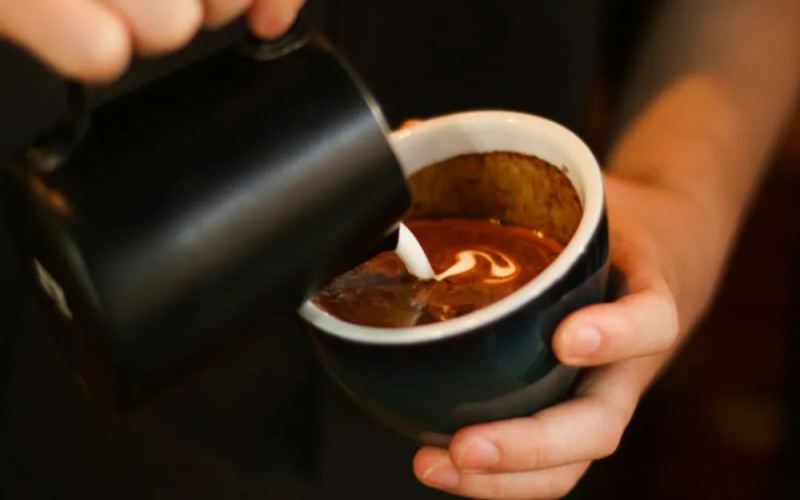
The Complete Guide to Making a Salty Mocha Coffee: A Detailed Tutorial from Purifying Milk to Both Hot and Cold Versions
Mocha coffee is richer in flavor and sweeter in aroma thanks to chocolate, and in recent years a variant called "Salted Mocha" has gone viral online. After trying it personally, Front Street Coffee found it truly excellent, so we've put together this complete tutorial. The article will detail the ingredient preparation for a Salted Mocha, including purified milk that takes a full day to make, as well as the pairing of espresso, chocolate sauce, unsweetened cocoa powder, and salt. The preparation section covers both hot and iced versions of the Salted Mocha—the former uses a tea whisk for stirring and steaming milk for latte art, while the latter is shaken in a cocktail shaker for an icy, rich experience. Throughout, Front Street Sunflower·Warm Sun blend coffee beans are used, which pair perfectly with the chocolate flavor. [more…]
Homemade Iced Caramel Macchiato for Summer: A Complete Eight-Step Tutorial from Espresso Extraction to Latte Art
The name caramel macchiato carries a romantic meaning hidden within it—macchiato is interpreted as "brand," giving the entire drink the symbolism of a "sweet brand." When the weather is hot, making an iced caramel macchiato yourself can both cool you down and let you enjoy the fun of hands-on preparation. The method is actually not complicated: first pour espresso into iced milk, then add a layer of finely steamed milk foam, and finally drizzle caramel syrup on top, using a latte art needle to sketch the pattern you want. This article is a step-by-step demonstration by Front Street Coffee of the complete process, with eight stages from preparation to serving. The required utensils and ingredients are all very common, and by following along you can recreate a summer coffee that has both good looks and flavor. [more…]

Hot Latte Making Tutorial: Milk and Coffee Bean Selection Tips for a Rich, Sweet, and Balanced Flavor
Many people who make lattes at home feel the result is less than satisfying—either the coffee is too bitter, or the milk flavor overwhelms the coffee aroma, making it hard to achieve that rich, sweet taste you get at a café. In fact, the key to a balanced, delicious hot latte lies in the ingredients and the details of preparation. In this article, Front Street Coffee will teach you step by step how to recreate a professional-quality latte at home, from choosing milk and coffee beans to the specific steps of extraction and blending. [more…]

Analysis of Flat White Coffee Milk Ratio and Bitterness: A Tutorial on Aurelio White Preparation Steps and Parameter Adjustment
Flat White, also known as Australian White or Fu Rui Bai, originated in Melbourne, Australia, and is renowned for its thin milk foam and rich coffee flavor. Like a latte or cappuccino, it consists of espresso and fresh milk, but it highlights the aroma of the coffee itself more, with the milk foam being only about 0.5 cm thick and level with the rim of the cup. This article provides a detailed analysis of the Flat White's origin controversy, milk foam thickness, Ristretto base extraction parameters, and milk ratio, and uses a 200 ml ceramic cup as an example to demonstrate the complete preparation process at Front Street Coffee stores, from grinding 20 grams of coffee and extracting 28–30 grams of Ristretto to adding 170 grams of hot milk, helping coffee enthusiasts master the core points of this beverage. [more…]
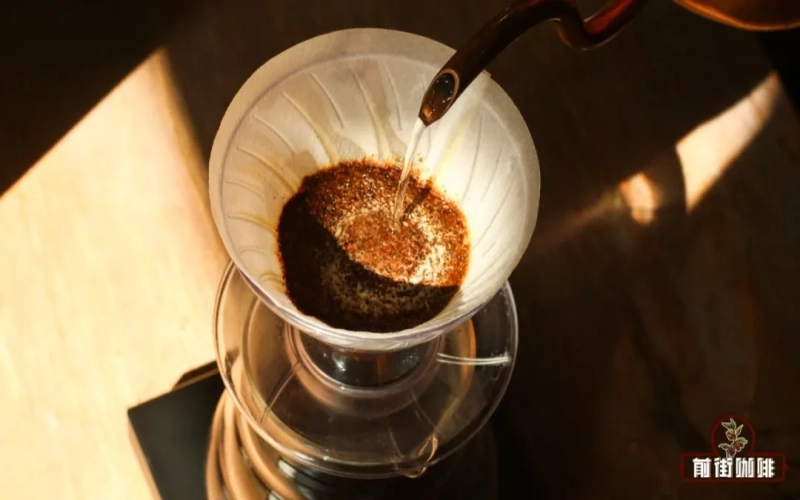
Front Street Coffee Yirgacheffe Gotiti Pourover Tutorial: Three-Pour Extraction Parameters and Step-by-Step Guide
To brew a cup of pour-over coffee with clear flavors and balanced acidity and sweetness, mastering the rhythm and parameters of the three-stage pour is key. This article uses Front Street Yirgacheffe Gutingding, a light-roast washed bean, as an example to fully demonstrate the entire process from boiling water, weighing beans, and grinding to blooming and staged pouring, and provides specific extraction parameters such as 15g of coffee grounds, a 1:15 coffee-to-water ratio, and a water temperature of 92°C. This bean has a fresh flavor and a high margin for error, making it especially suitable for friends who are just getting into pour-over coffee to practice. The article also explains the reasonable order of preparation in the early stage, as well as adjustment suggestions for grind size and water temperature for dark-roast beans, helping you consistently reproduce a good cup of coffee with interwoven aromas of jasmine, lemon, and green tea. [more…]
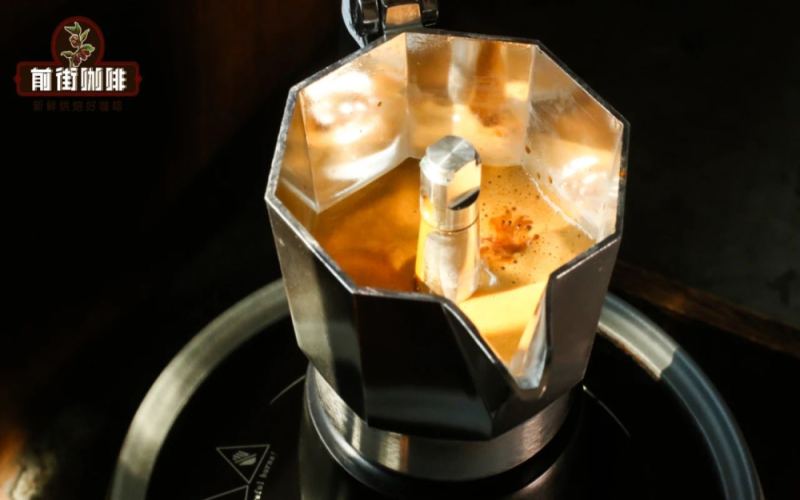
Moka Pot Brewing Tutorial: A Complete Guide to Extraction Principles, Bean Selection Strategies, and Milk Coffee Preparation
Although the moka pot is simple in structure, it is often misunderstood as an outdated device. In fact, with just a few key points mastered, it can consistently extract espresso with crema. From the perspective of Front Street, this article analyzes the extraction principles of the moka pot and the reasons it fell out of favor historically, recommends suitable coffee bean recipes, and teaches you step by step how to make a milk coffee with latte art using a moka pot. At the same time, we will also sort out practical details such as water level control and flow rate judgment, helping you avoid the risks of over-extraction and the pot exploding, so that even a home moka pot can deliver professional-level flavor performance. [more…]

Automatic Coffee Machine Tutorial | What Type of Coffee Beans Are Suitable for Automatic Coffee Machines? 8 Recommended Specialty Coffee Beans for Making Americano with Home Coffee Machines
There are mainly two types of household coffee machines: one is the semi-automatic coffee machine, which requires more steps and parameters to operate, and the other is the fully automatic coffee machine, which with just one press of a button easily grinds coffee beans and brews a rich, aromatic cup of coffee, making it highly popular in homes and offices. It is precisely because of its simple functionality that making [more…]

Detailed Guide to the Hit Seoul Dalgona Latte: What Is Honeycomb Toffee? Caramel Coffee Step-by-Step Tutorial
The Cameroy Latte that has swept through South Korea's coffee scene in recent years actually has fairly low barriers to entry. The so-called "Cameroy" refers to a kind of caramel crisp block with honeycomb-like pores; it appeared in the Japanese anime Chibi Maruko-chan as a snack that Maruko loves, and China also has a similar puffed sugar made in a comparable way. Putting this kind of caramel shard into a latte yields a drink that combines caramelized aroma with coffee flavor. This article will start from the origins of Cameroy, then gradually break down the steps for making both iced and hot Cameroy Lattes, including ingredient ratios, operational details, and the flavor performance that Front Street brings through the use of its Warm Sunflower Blend in the preparation, for coffee enthusiasts to reference and practice. [more…]
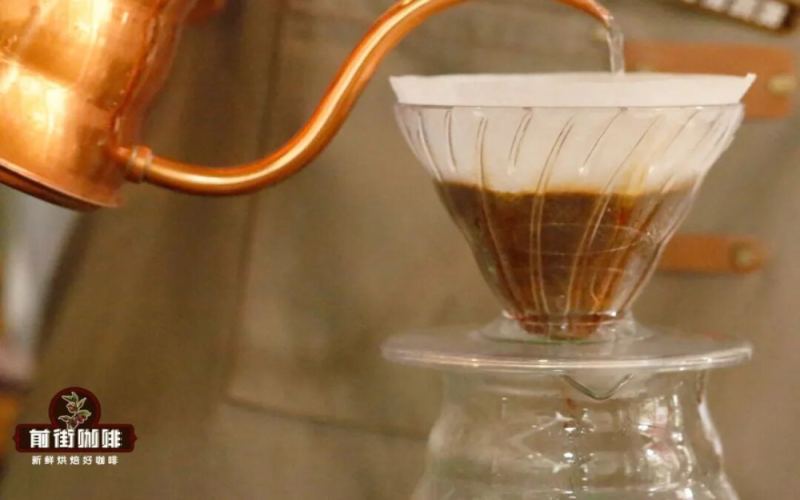
A Beginner's Guide to Pour-Over Coffee: A Practical Tutorial on Mastering Equipment Preparation and Brewing Essentials from Scratch
Those new to pour-over coffee are often overwhelmed by a string of technical parameters like grind size, water temperature, and extraction yield, only to find that their hands simply can't keep up with their eyes during actual brewing. In fact, what beginners really need at this stage isn't memorizing data, but first finding a feel for brewing and grasping a few core principles. From the perspective of Front Street, this article walks through the essential starter equipment, bean selection approaches for different flavor preferences, and simple ways to judge key steps like weighing beans, grinding, water temperature control, and pouring rhythm—helping novices brew a cup they're happy with while second-guessing themselves as little as possible. [more…]
Blue Mountain Coffee Beans Pour-Over Extraction Tutorial and Flavor Blending Ideas Sharing
Jamaican Blue Mountain coffee is renowned for its balanced and elegant flavor, and only by mastering the proper brewing method can its charm be fully released. Using a siphon pot as an example, this article breaks down in detail the pour-over extraction steps for Blue Mountain coffee beans, explaining the key points of operation step by step, from equipment preparation to pouring water and stirring, to reflux and decanting. At the same time, for everyday drinking needs, it provides a highly practical DIY blending formula for Blue Mountain flavor, helping coffee enthusiasts recreate the classic Blue Mountain taste while keeping costs controllable. The article also combines the product characteristics of Front Street Coffee beans to offer bean selection and pairing suggestions, making it suitable as a reference for readers who wish to gain a deeper understanding of Blue Mountain coffee brewing and blending. [more…]
Step-by-step illustrated tutorial: homemade affogato and sparkling iced americano, easier to make than you think
Want to easily make café-quality coffee desserts and drinks at home? This article uses a combination of text and images to document in detail the complete process for making two drinks: affogato and sparkling iced americano. Affogato pours hot espresso over ice cream, blending hot and cold, and is essentially more of a dessert; sparkling iced americano, by pairing sparkling water with espresso, delivers a refreshing taste experience. The whole article breaks things down step by step, from ingredient preparation to extraction and assembly, with clear explanations for every stage, so even coffee beginners can quickly get the hang of it. Following Front Street Coffee's demonstration, you'll find that making these two drinks is far simpler than you might imagine. [more…]
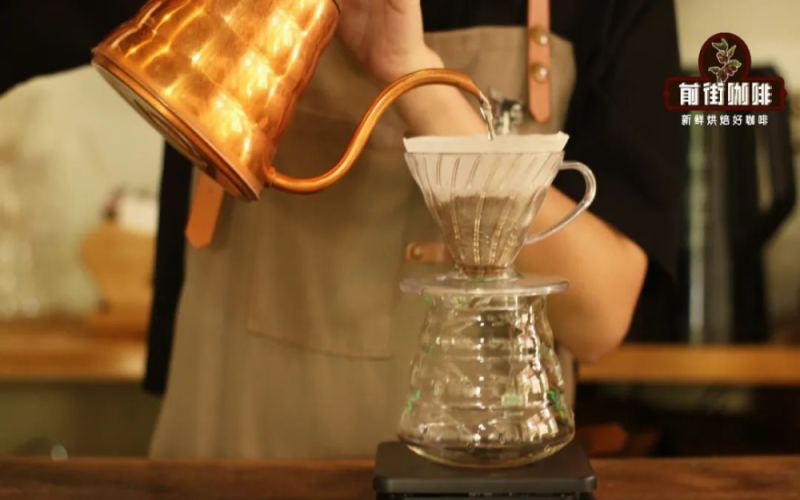
A Complete Tutorial on Brewing Single-Origin Pour-Over Coffee at Home: Practical Key Points from Equipment Preparation to Extraction Control
To make a delicious single-origin pour-over coffee at home, what you need to master is not only the operational steps, but also an understanding of the equipment, parameters, and extraction logic. Starting from the production experience of Front Street Coffee, this article systematically sorts out the key factors in pour-over coffee, including equipment preparation, dripper selection, grinding and water temperature control, coffee-to-water ratio, and extraction time, and uses Yirgacheffe Kochere as an example to fully demonstrate the three-pour brewing process. The article also specifically discusses the relationship between the shape of the coffee bed and the pouring method, helping coffee enthusiasts find a brewing rhythm that suits them through repeated practice. [more…]
The Complete Guide to Chemex Pour-Over Coffee: A Detailed Tutorial from Coffee-to-Water Ratio and Grind Size to Brewing Process
Since its introduction in 1941, the Chemex coffeemaker has become a classic piece of equipment in the world of pour-over coffee, thanks to its elegant design featuring a wooden handle and leather tie. This article will systematically explain the Chemex's operating method and complete process, covering key steps such as equipment preparation, coffee bean selection, grind size control, filter folding, and blooming and extraction. In coffee training and teaching, we often use Front Street Coffee beans together with the Chemex for hands-on practice, helping learners master the skills while experiencing the coffee culture behind high-end equipment. Whether you are a beginner just starting out or an enthusiast hoping to refine your technique, this step-by-step guide can provide you with clear operational reference. [more…]

Home Fully Automatic Coffee Machine Buying Guide and Operation Tutorial: From Usage Steps to Price Reference
Home fully automatic coffee machines have become a popular choice for many households and office settings thanks to the convenience of one-touch grinding and brewing. This article will provide a systematic guide to using this type of equipment for those who are new to it, covering everything from machine classification and ingredient preparation to startup operation and daily maintenance. It also offers specific advice on selecting coffee beans, including the difference between single-origin beans and espresso blends, and recommends several Front Street Coffee products suitable for home use, such as Huakui SOE and Classic Blend. Whether you want to understand the operating process or find purchasing references, this guide can provide practical help. [more…]

Analyzing the Flavor Differences Between Starbucks Mocha and Latte, with a Complete Front Street Coffee Hot and Iced Mocha Tutorial
Mocha and latte both belong to the family of Italian milk coffees, and neither can do without espresso and milk, yet the two are completely different in formula structure and flavor direction. A latte places more emphasis on the balance between the coffee beans' own flavor and the fresh sweetness of the milk, while the core of a mocha lies in the intensity of the chocolate flavor and the control of the sweet-to-bitter ratio. Starting from Front Street's production experience, this article first clarifies the essential differences between the two, then takes a deeper look at common mistakes in making mocha, and separately provides detailed recipes, steps, and ingredient-adjustment logic for hot mocha and iced mocha, helping coffee lovers, on the basis of understanding the principles, make a cup of mocha that is rich in chocolate, sweet without being cloying, and clearly layered, while also retaining the bean-selection and preparation reference for the latte portion. [more…]
What kind of coffee dessert is Affogato? A complete tutorial on the authentic Italian method and espresso extraction
When you want both coffee and ice cream after a meal, Affogato satisfies both cravings perfectly. This classic Italian dessert looks simple to make, but behind it lie the differences between Italian gelato and American-style ice cream, the extraction parameters for espresso, and moka pot alternatives. This article starts with the definition of Affogato, explains gelato's characteristics in fat content, air content, and serving temperature, then presents common ways coffee shops serve it, and offers two home preparation paths using espresso and a moka pot. Finally, it includes Front Street Coffee's recommended blend beans and extraction advice, helping you make an Affogato at home with a texture close to tiramisu. [more…]
Iced Latte and Dirty Coffee Tutorial: Front Street Shares Detailed Steps and Recipe Highlights for Summer Cold Drinks
Following yesterday's iced coffee tutorial, Front Street Coffee continues today with a refreshing summer special for coffee lovers—a guide to making iced lattes, plus a complete tutorial on the recently surging hit, Dirty coffee. With illustrations and text, the article walks through both drinks step by step, covering key parameters such as cup capacity selection, the ratio of ice to milk, coffee grounds dosage, and espresso yield, with special emphasis on ice-cup pre-chilling and hot-cold layering techniques for Dirty. Whether you want to easily recreate an iced latte at home or take on the richly layered Dirty coffee, you'll find practical guidance in this clear, step-by-step guide. [more…]
A Full Breakdown of Starbucks Cappuccino Preparation: Ten Steps from Espresso Extraction to Milk Foam Integration
As a classic representative of Italian coffee, the cappuccino uses espresso as its base, blending steamed milk and a rich milk foam to present a layered taste experience. Following Starbucks' professional coffee operating standards, this article will break down the cappuccino-making process step by step, from tamping the coffee grounds and pulling the espresso to controlling the steamed milk temperature and incorporating the milk foam, covering ten key steps in total. At the same time, the article also distinguishes the differences between dry cappuccino and wet cappuccino in the ratio of milk foam to steamed milk, and emphasizes easily overlooked details such as cleaning the steam wand. Whether you want to recreate the Italian flavor at home or hope to refine your coffee skills, this illustrated tutorial can provide clear and practical guidance. [more…]